Editorial note on authorship
The title identifies the article with director Alaa Nasr, but the text is an EchoNile Studios editorial production diary based on the approved trilingual screenplay and director statement already supplied for the film. It is not a transcription of a private notebook and adds no unverified personal memories.
This distinction makes the production archive useful without manufacturing authenticity. Where the article describes a sequence, it is describing the approved film structure; where it gives historical context, it links to an official institutional source.
Beginning before sunrise
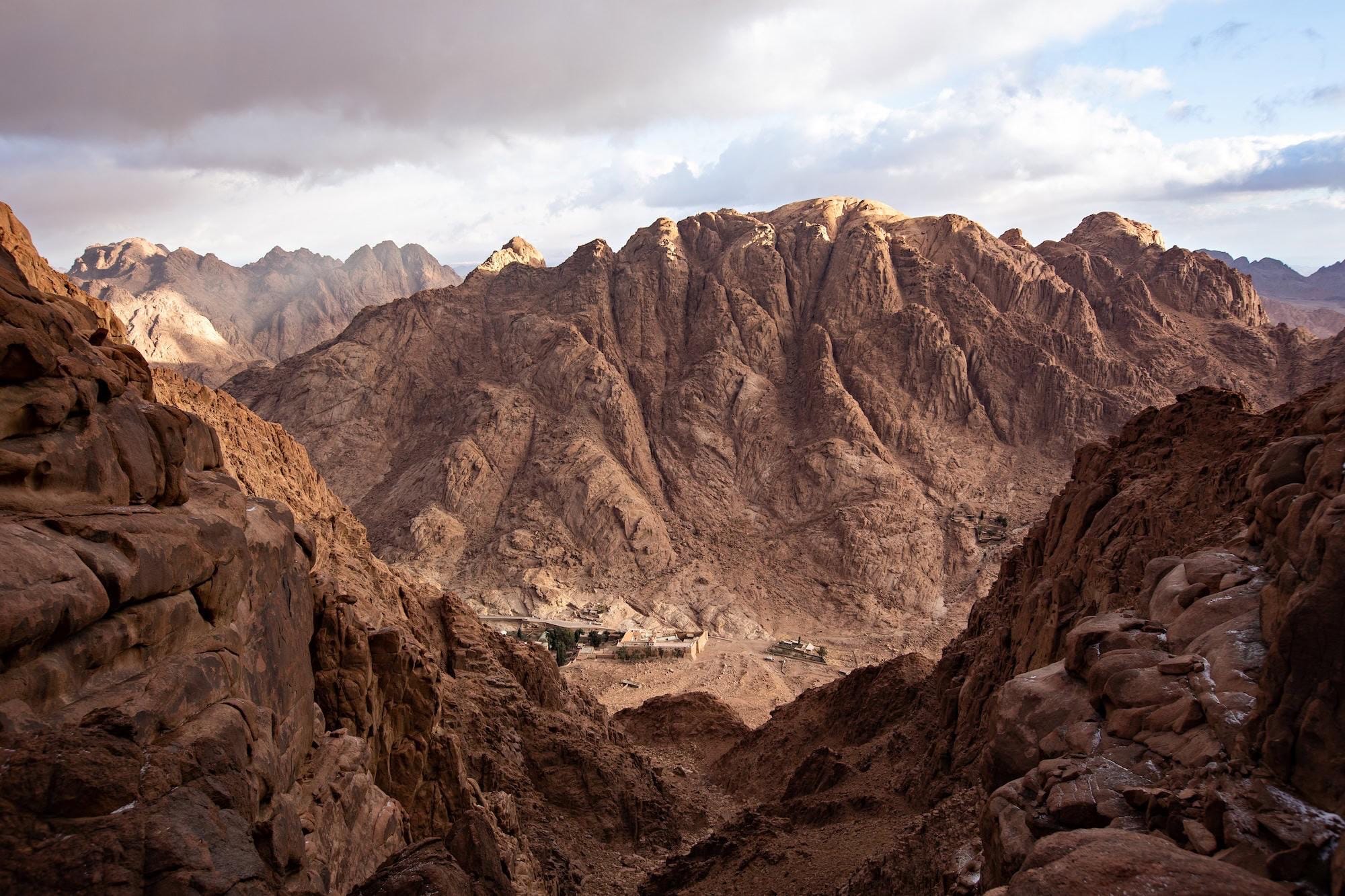
The screenplay opens with first light over South Sinai and moves through the mountains and valleys before the monastery fully enters view. The order gives landscape the first voice. Altitude, wind, rock and changing light establish the conditions within which every later human story appears.
For direction and editing, dawn is not only an attractive image. It supplies a gradual reveal: darkness becomes contour, contour becomes route and route becomes a place inhabited by memory.
Moving from scale to detail
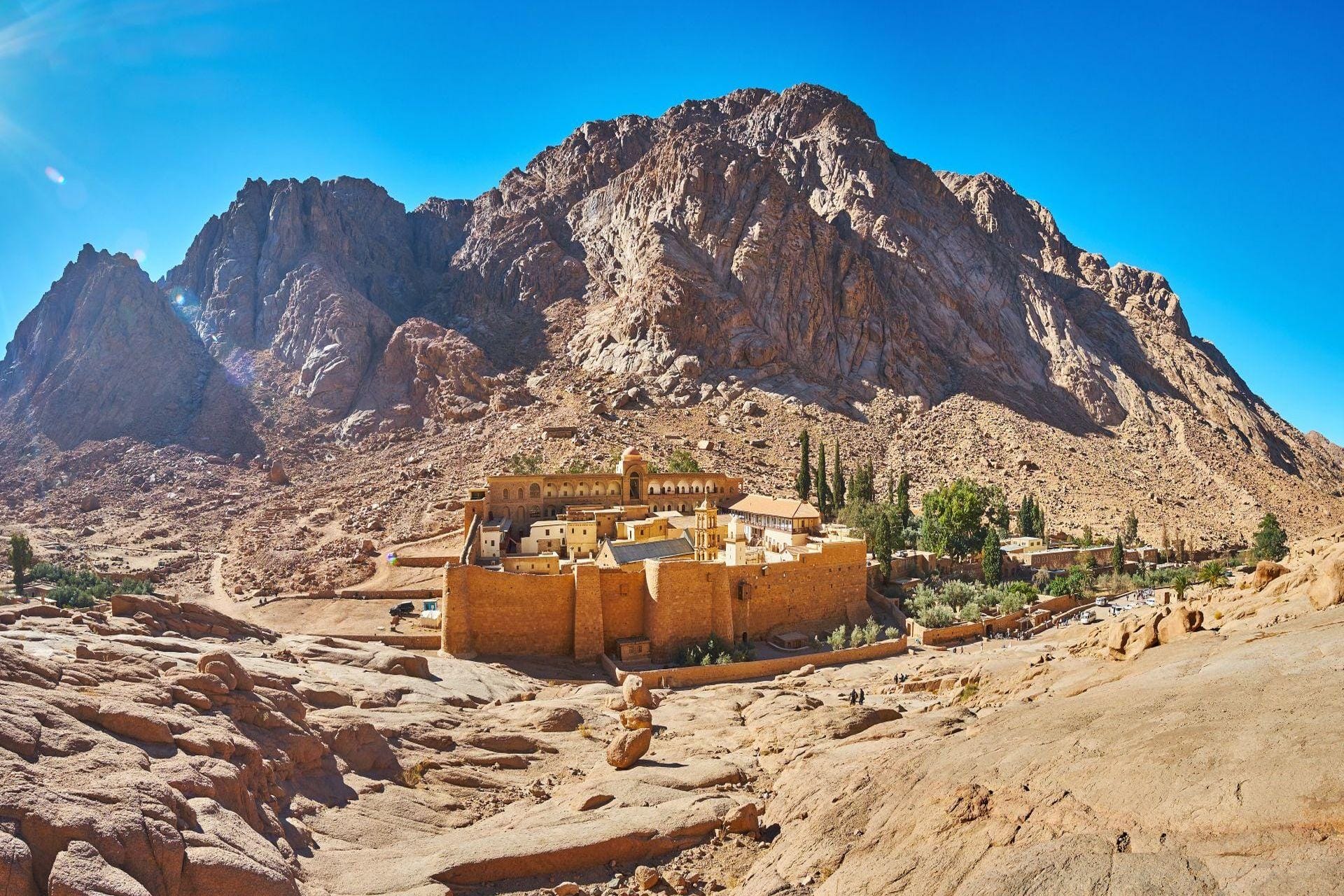
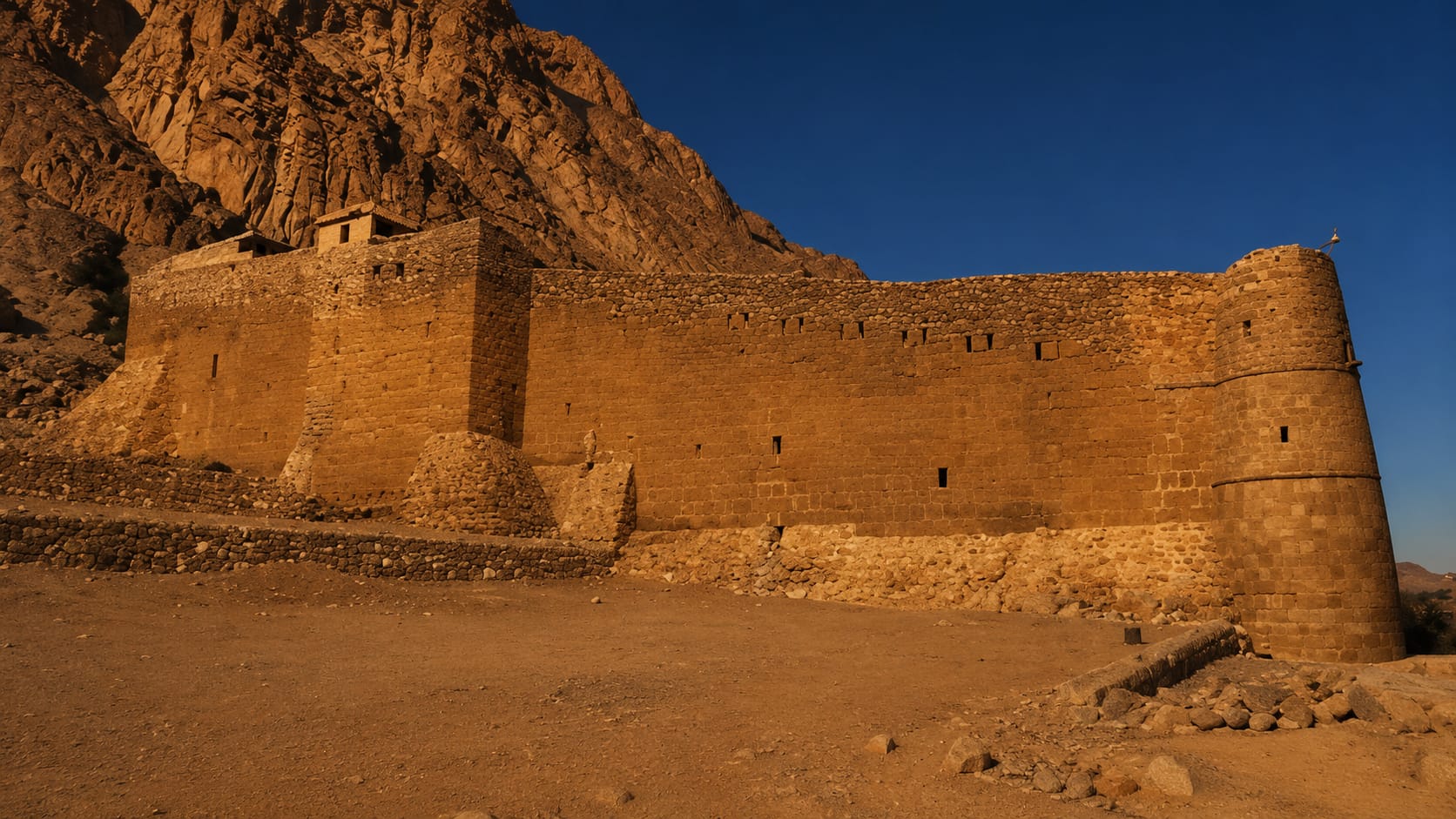
The middle movement travels from Mount Moses and the wider terrain toward walls, the Sacred Bush, the mosque, manuscripts and icons. UNESCO and the monastery’s official material confirm the principal architectural and heritage context, while the screenplay determines the emotional order in which viewers encounter it.
The visual principle is alternation. Monumental mountain frames are followed by close material details—a leaf, flame, page, carved surface or human gesture. This keeps the historical scale connected to physical experience.
Eighteen scenes, one disciplined arc
The approved story contains eighteen numbered scenes and a final movement. Its chapters do not attempt to compress Judaism, Christianity and Islam into one theology. They observe how distinct traditions, buildings and memories occupy the Saint Catherine landscape.
The closing images return to modern Saint Catherine and the supplied mosaic artwork before evening settles around the monastery. The arc therefore ends where it began: with the mountain holding more history than a single narration can contain.
What remains to be added to the archive
A later edition can become a true first-person diary if the director supplies dated notes, verified location memories and approved behind-the-scenes photographs. Those materials should retain dates, names and credits rather than being reconstructed after the fact.
Until then, this page remains deliberately transparent: an official EchoNile Studios account of the screenplay’s production logic, published to help audiences, press and researchers understand how Land of Religions was shaped.