A relationship recorded by the monastery
The monastery’s official account describes a long relationship with the Jebeliya Bedouin community. It presents the community’s own lineage tradition in connection with families settled near the monastery in the age of Justinian and records continuing work, assistance and mutual support.
Because this history is partly a community and monastic tradition, it should be attributed as such. The important present-day fact is the continuing relationship documented by the institution itself, including employment, maintenance, bread-making and care during emergencies.
Gardens in an arid mountain system
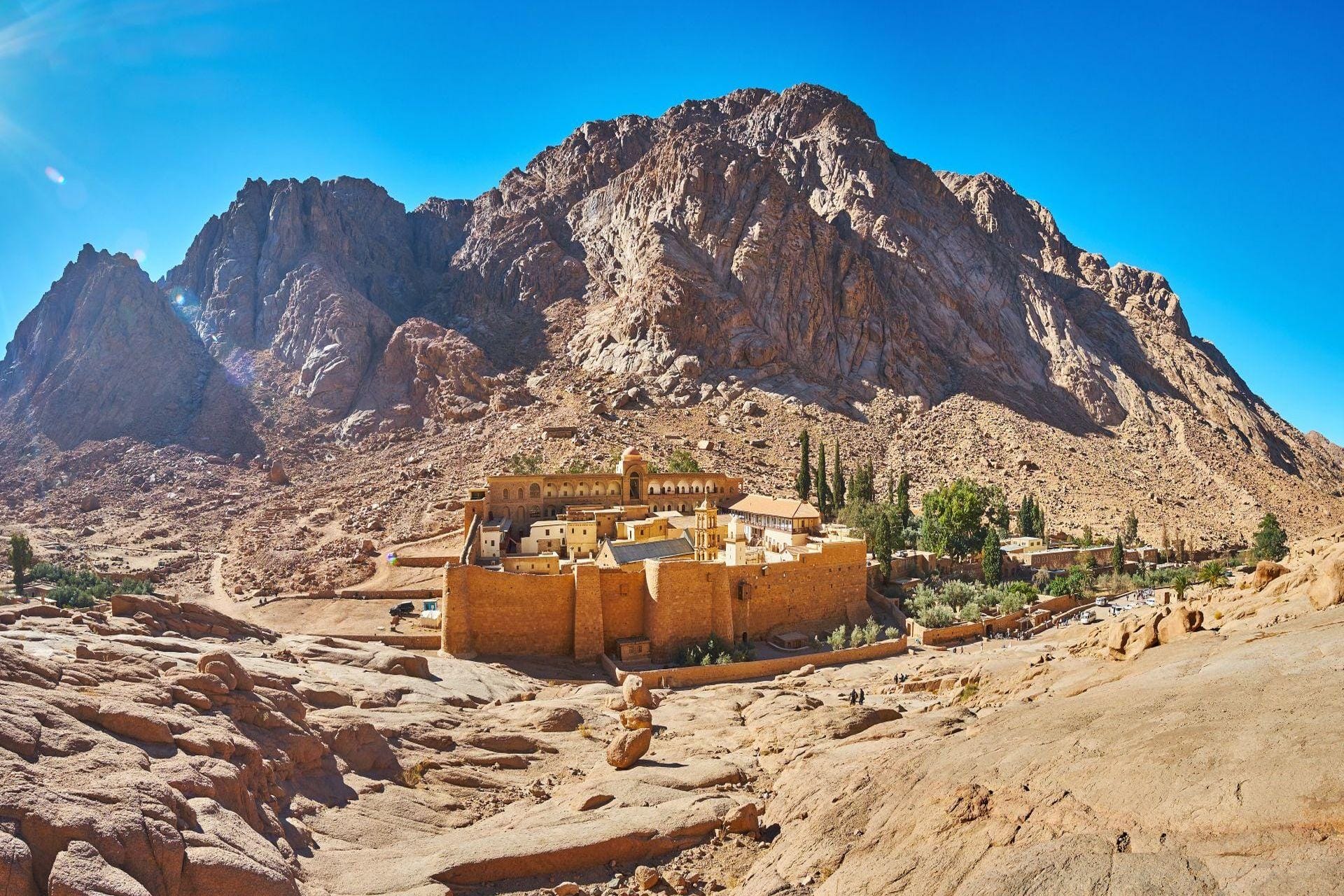
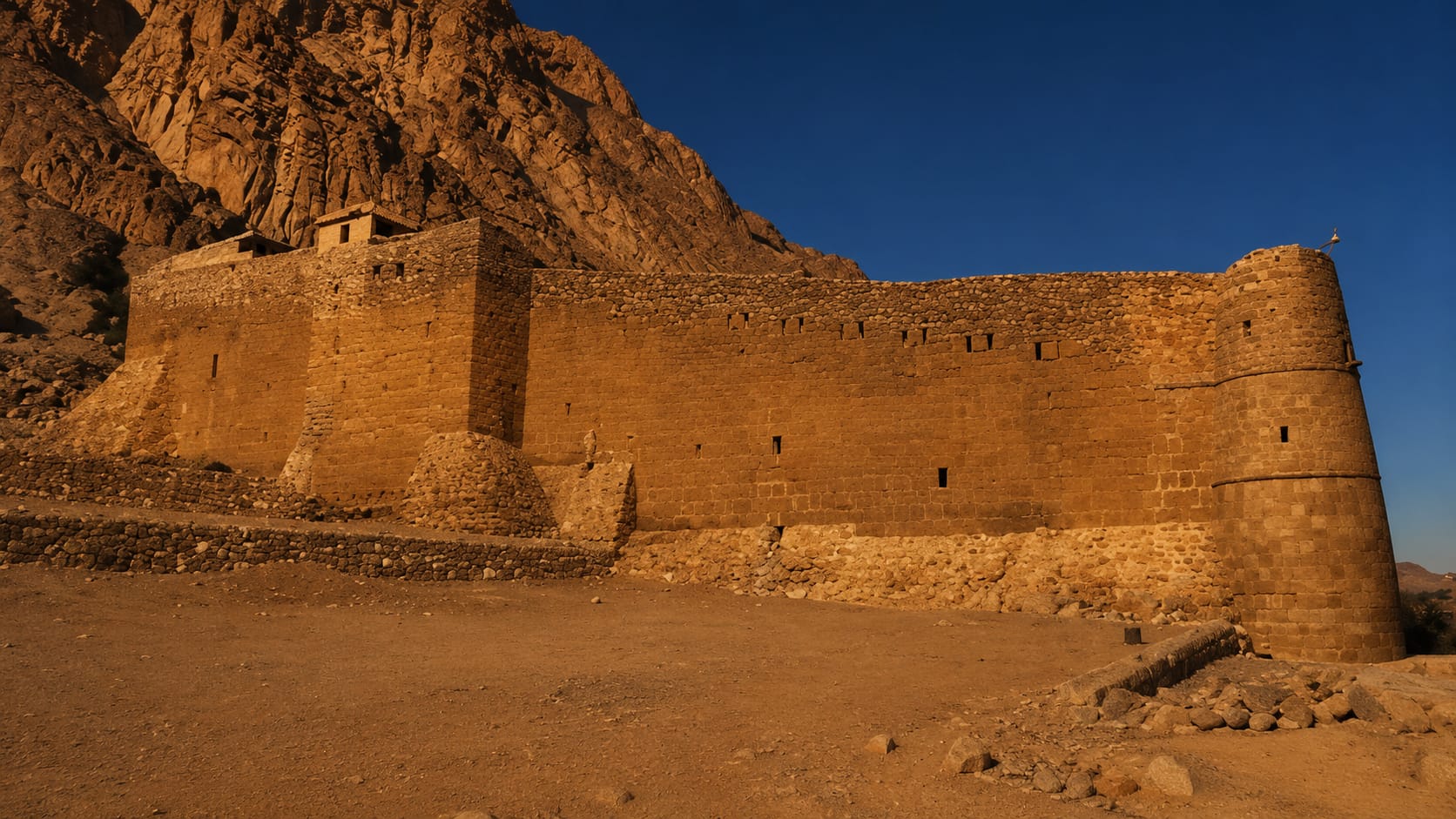
The monastery records a garden west of the fortress used to grow fruit and vegetables. Water is drawn from the ground, held in cisterns and distributed to trees and plants. The Chapel of Saint Tryphon stands within the garden, joining cultivation with the religious calendar.
Beyond the main walls, official descriptions of shrines and hermitages often include a chapel, living quarters and a garden. The monastery states that Bedouin workers maintain gardens at some of these places on its behalf.
Wadis, aquifers and practical knowledge
A UNESCO/IUCN technical evaluation describes a network of wadis radiating from the high peaks of the Saint Catherine Area. It notes that aquifers in wadi deposits are used by local Bedouin for wells and garden irrigation.
This environmental record prevents the landscape from becoming a romantic idea of empty desert. Water is scarce, rainfall irregular and flash floods possible. Cultivation depends on close attention to terrain, stored water and seasonal conditions.
Representation without turning people into scenery
Land of Religions approaches Bedouin presence as living knowledge rather than visual decoration. It avoids invented quotations and broad claims about a single “Bedouin culture.” The screenplay attends instead to specific work, routes, gardens and relationships in Saint Catherine.
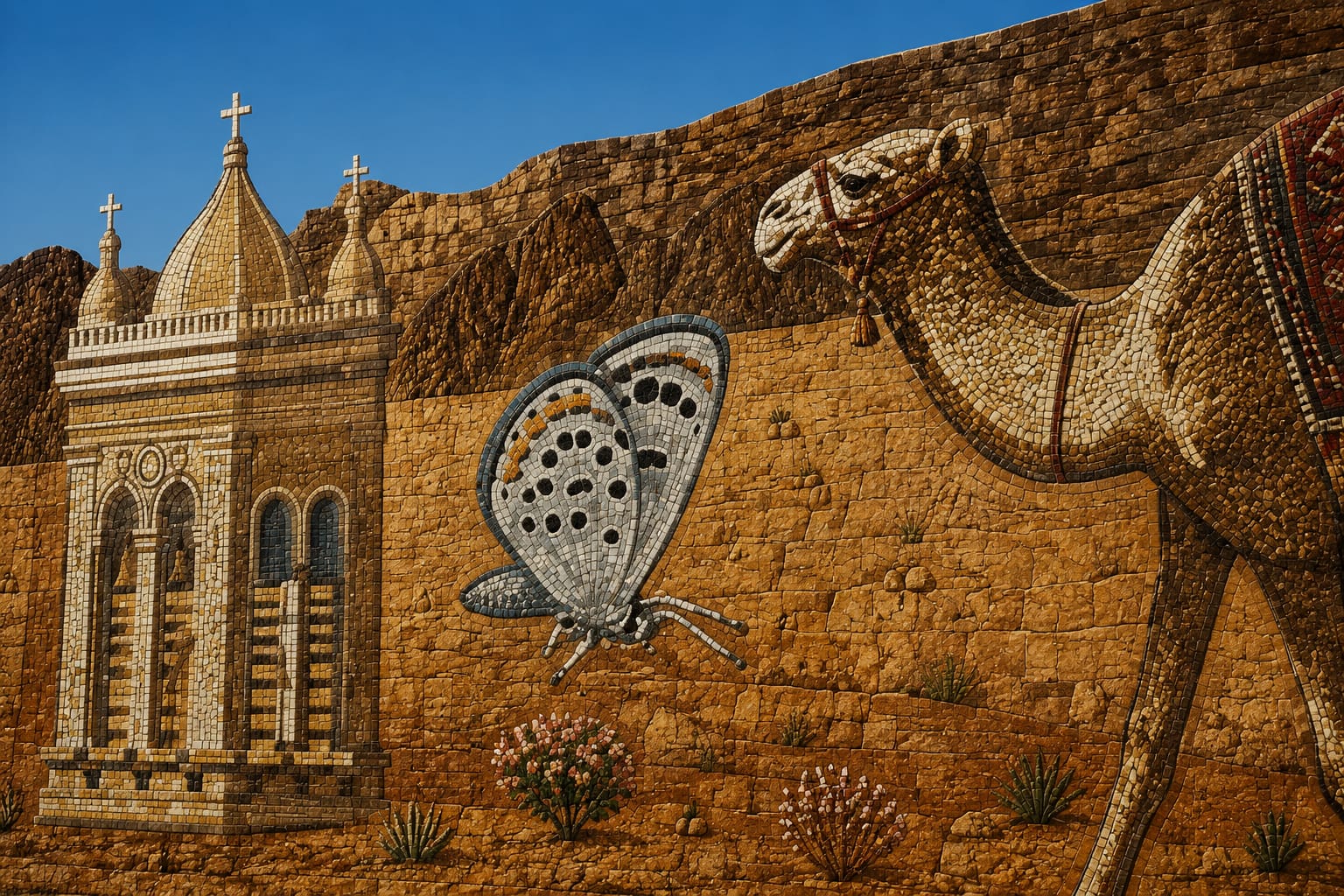
The editorial mosaic used on this page is identified as a contemporary artwork. It gathers architecture, wildlife and Bedouin heritage into one image, but it does not replace documentary photography or the voices of community members. Future credited portraits and first-person interviews would deepen this part of the archive.